Keyword research for SEO: In today’s digital landscape, visibility is everything. Whether you're running a personal blog, an e-commerce store, or a large-scale website, your ability to attract traffic—and convert that traffic into customers—hinges on one critical factor: search engine optimization (SEO). At the heart of SEO lies a foundational element that determines whether your content gets discovered or buried: keywords.
Keywords are far more than just popular search terms—they’re a direct reflection of how people think, ask questions, and seek information online. From understanding what users want to crafting content that meets their needs, choosing the right keywords can make or break your online strategy.
This comprehensive guide will dive deep into what keywords in SEO really are, explore their various types, show how they influence your site’s rankings, and walk you through powerful (yet free) tools to uncover competitor insights. You’ll also learn how to spot trending keywords before they peak and master the art of optimizing your content using primary, secondary, and long-tail keywords. Whether you're just getting started or looking to refine your SEO game, this article has everything you need to build a keyword strategy that drives real, lasting results.
What Are Keywords in SEO?
Keywords are the phrases or terms people type into search engines when looking for information, products, or services. In SEO (Search Engine Optimization), they guide content creation to match actual user intent. By strategically incorporating the right keywords into your website—titles, headings, copy, metadata—you signal to search engines what your content is about. This improves chances of your content ranking when users search for those terms.
At their core, keywords are the bridge between user intent and your content. Understanding search intent—what people expect when they look up a phrase—allows SEO to align topics and optimize content for visibility.
Types of Keywords (By Intent & Structure)
Keywords fall into several categories based on user intent and length/structure. Both matter when planning an SEO strategy:
Based on User Intent
Informational
Queries like “what is keyword research” or “how to bake sourdough” indicate users seeking information. They’re early in the funnel—great to position your site as an expert.
Navigational
Specific searches for a site or brand name, e.g., “Amazon login” or “OpenAI blog”. These intent users already know and want to go to your page.
Commercial
Queries showing research intent or comparing options, like “best DSLR camera” or “top SEO tools”. They’re still researching before buying.
Transactional
Keywords indicating readiness to act/purchase, e.g., “buy Nike running shoes”. They often include verbs like “buy”, “order”, or modifiers like “near me”.
Local
Searches with geographic qualifiers, such as “pizza delivery Mumbai” or “keyword research services in Mumbai”. They drive local business and mobile searches.
Based on Structure
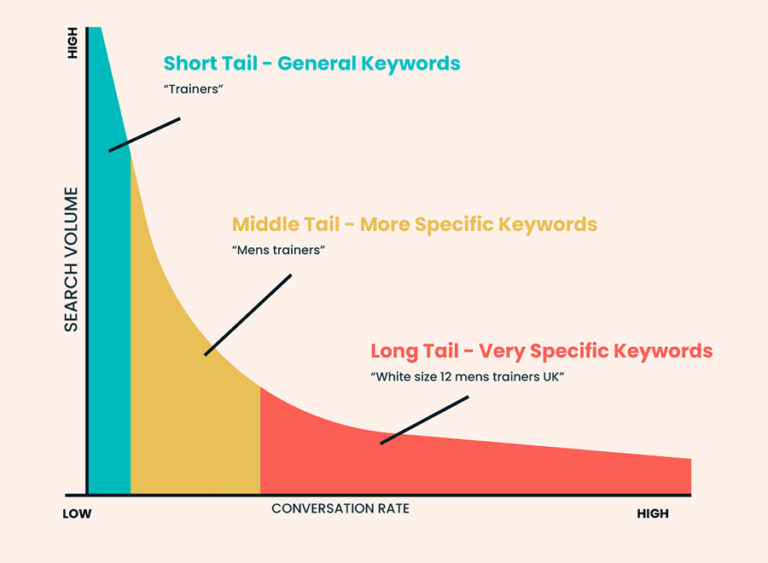
- Short-tail (head) keywords: Broad (1–2 words), e.g., “keyword research” or “SEO”. High volume, high competition, lower conversion.
- Long-tail keywords: Specific phrases (3+ words), e.g., “how to do keyword research for Shopify store”. Lower volume, lower competition, higher conversion potential (70–80%).
Additional categories include:
- Branded keywords: Brand-specific terms (e.g., “Nike running shoes”).
- Competitor keywords: Targeting competitors’ brand/product names.
- Seasonal/trendy keywords: Time-sensitive terms like “ChatGPT tutorial” or “iOS 17 features”.
- Evergreen keywords: Consistently popular, e.g. “how to lose weight”.
How Keywords Help With Ranking
Signaling relevance – Keywords in page titles, headers, meta description, and body content help search engines understand what your pages are about.
Matching intent – Including intent-aligned keywords (informational, commercial, transactional) ensures your content meets searcher needs.
Long-tail targeting – Focusing on longer, specific queries reduces competition and boosts conversion likelihood due to high user intent and clarity.
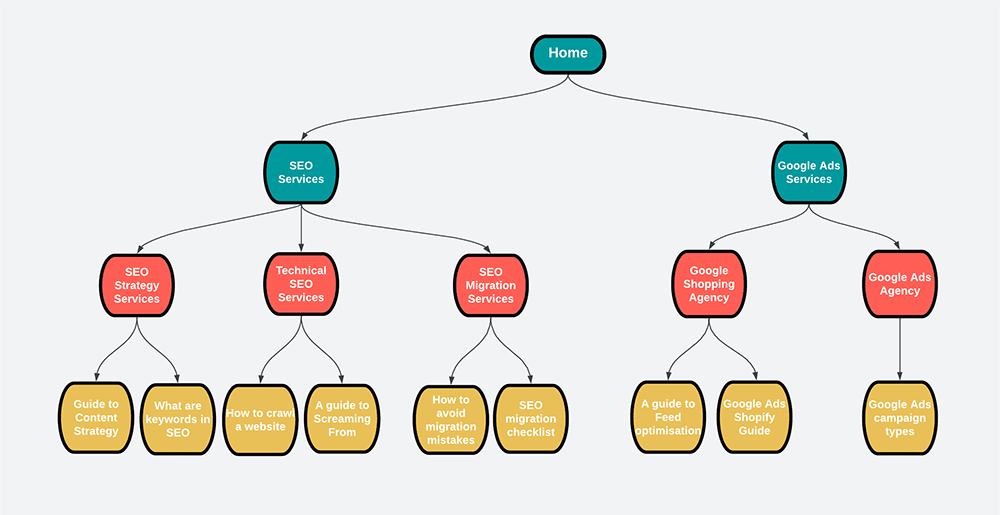
Structured hierarchy – Pages optimized around topic clusters (using primary + secondary + long-tail keywords) demonstrate topical depth and SEO-friendly architecture.
SERP features – Informational queries can yield featured snippets, People Also Ask boxes, or knowledge panels. Answering these with rich content may earn such visibility.
Free Tools to Find Competitor Keywords
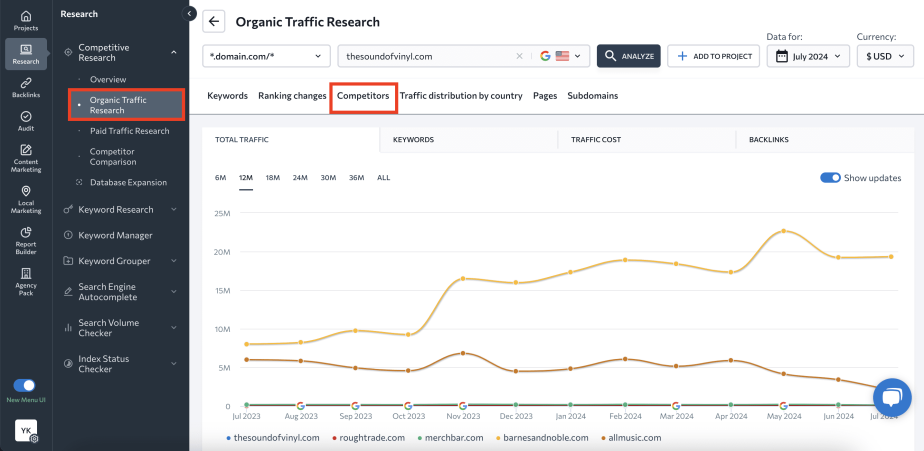
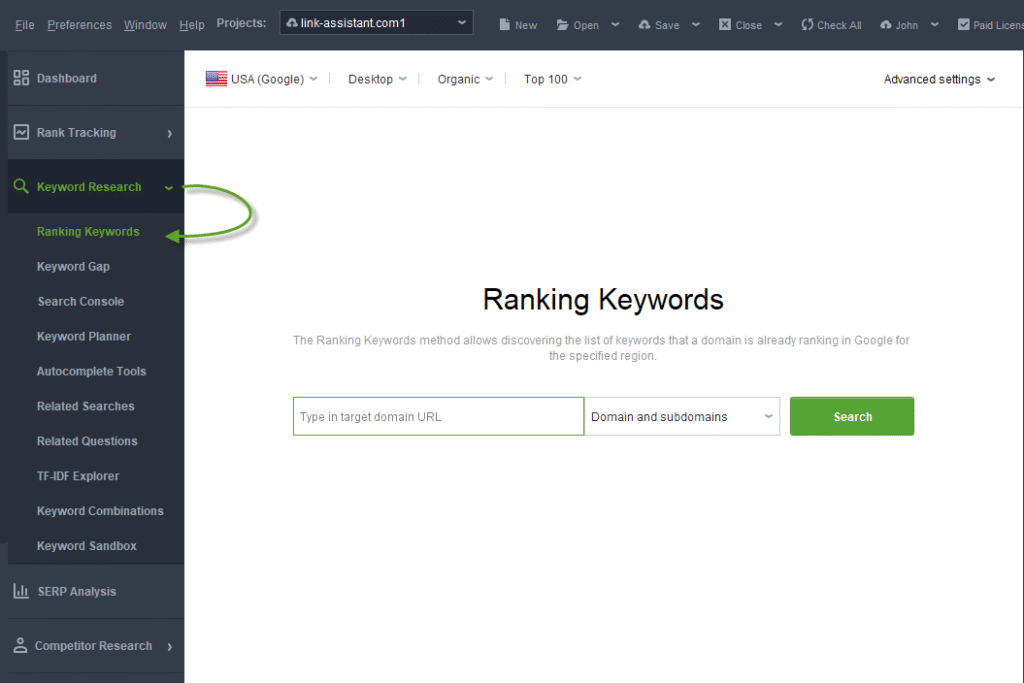
Curious what keywords rivals rank for? Use these free methods:
Google Search & “site:” operator
– Use queries like site:competitor.com keyword research and Tools > Related searches or People Also Ask.
– Combine with Google Alerts to track competitor mentions.
Google Keyword Planner
– Free within Google Ads account—enter competitor URL to see associated keywords, search volume, difficulty. This data will be integrated directly into Google Analytics setup with Wordpress.
SpyFu
– Enter competitor domain to get a snapshot of organic keywords, ranking history, PPC spend. Free tier gives limited rows but good starting point.
SEMrush (free account)
– Domain overview shows top organic keywords and traffic estimates; Keyword Gap allows comparing your site with others.
Moz Keyword Explorer (free plan)
– Limited free queries: reveals search volume, difficulty, organic CTR, competitor keywords.
Ahrefs Free Tools
– Use Free Backlink Checker & Top Pages report to infer competitor keywords from URLs ranking well.
KeywordTool.io
– Free version generates autocomplete-based long-tail suggestions for Google, YouTube, etc. Useful for competitor content angles.
AnswerThePublic & AlsoAsked
– Surface long-tail questions and “People also ask” queries related to competitor topics.
Other noteworthy tools: Ubersuggest, KWFinder, GrowthBar, Bing Webmaster Tools, Keywords Everywhere—most offer free usage tiers.
How to Find Trending Keywords
To keep content timely and relevant:
- Google Trends – Visualize search interest over time, spot regional peaks, compare keywords.
- Keyword Surfer – Browser extension adds volume and CPC data to SERPs, highlighting trending terms.
- Tech news & blogs – Stay updated on product releases, industry events, trending features (e.g., “ChatGPT app” or “iOS 18 new features”). Turn these into content hooks.
- Ahrefs “Newly trending keywords” – Tools like Ahrefs filter emerging keywords based on sudden surges.
- Social listening – Monitor forums, Twitter/X trends, Reddit discussions. Tools like ExplodingTopics reveal fast-rising topics.
Optimizing Content With Keywords
Primary Keyword
Choose one key term (short or mid-tail) that matches your page’s main theme and intent.
On-page usage:
- Title tag & headline (H1)
- Meta description
- URL
- Opening paragraph
- Naturally within body content
Tip: Keep keyword density moderate—avoid stuffing.
Secondary Keywords
These are closely related terms (variations or subtopics) that help add relevance, support the primary topic, and cover semantic range.
Placement:
- Subheadings (H2, H3)
- Paragraphs diving into subtopics
- Alt text for images
- Internal anchor text
Long-tail Keywords
Highly specific phrases that often reflect conversational or question-based searches. They help you target niche queries with strong intent.
Incorporation:
- FAQ sections
- Dedicated tips or listicle sections
- Featured snippet-friendly sentences
- Conversational tone in content
For example:
“When you start your keyword research, consider tools like Google Keyword Planner and Answer The Public to find niche long-tail terms your audience is actually searching.”
Embedding “keyword research” with additional modifiers adds relevance without marking it out as a separate paragraph.
Content Structure & Best Practices
Keyword mapping – Prioritize targeting based on keyword value (search volume × intent × difficulty).
Topic clusters – Group related keywords under pillar content with supporting subpages or blog posts.
Natural flow – Integrate keywords into content contextually—human readability always comes first.
Semantic-rich content – Use synonyms, related phrases, and question formats.
Metadata optimization – Include primary keyword in meta title and description. Use secondary/long-tail in snippet where it makes sense.
URL design – Keep URLs short and descriptive: e.g., /keyword-research-guide.
Internal linking – Use keyword-rich anchors linking to related internal pages.
Optimize images – Use descriptive filenames and alt text with target keywords.
Freshness updates – Refresh content periodically to include emerging keywords.
Monitor & iterate – Regularly check rankings via Search Console or tracking tools, adjust based on performance.
How Keywords Boost Rankings
- Relevance – Ensures search engines and users understand your page covers the desired topic.
- Intent matching – Serving precise intent increases dwell time and click-through rates—key SEO ranking signals.
- SERP dominance – Clustered content can rank for multiple related keywords.
- Voice search readiness – Long-tail question phrases align with how people speak (“how to do keyword research”).
- Snippets & features – Addressing question-based keywords increases chances for featured snippets or People Also Ask sections.
Real-World Example: Keyword Research Strategy (with embedded phrasing)
Imagine you publish a guide titled “Ultimate Guide to Keyword Research”. Here’s how you'd optimize:
- Primary keyword: keyword research
- Secondary keywords: how to do keyword research, keyword research tools, keyword research tips
- Long-tail keywords: step-by-step keyword research for small business, best free tools for keyword research from competitors
Integrate them:
- H1 title: Ultimate Guide to Keyword Research: Step-by-Step Strategies
- Meta description: Learn keyword research fundamentals, how to do keyword research, and the best free tools for keyword research from competitors to boost your SEO success.
- H2 sections: What is Keyword Research?, How to Do Keyword Research: A Step-by-Step Guide, Free Tools for Keyword Research from Competitors
- Body: Embed long-tail naturally: “If you're looking for the best free tools for keyword research from competitors, try Google Keyword Planner or SpyFu to peek at what drives traffic to rival sites.”
- FAQ section with question-based long-tail phrases.
- Internal link text: keyword research tips linking to related blog or case studies.
This structure targets multiple intent layers—from learning and comparing tools to executing full strategies—boosting relevancy across query types.
Comments
Post a Comment